

Trump Can't Declare War on Iran (or Anyone)
...but will Congress try and stop him?

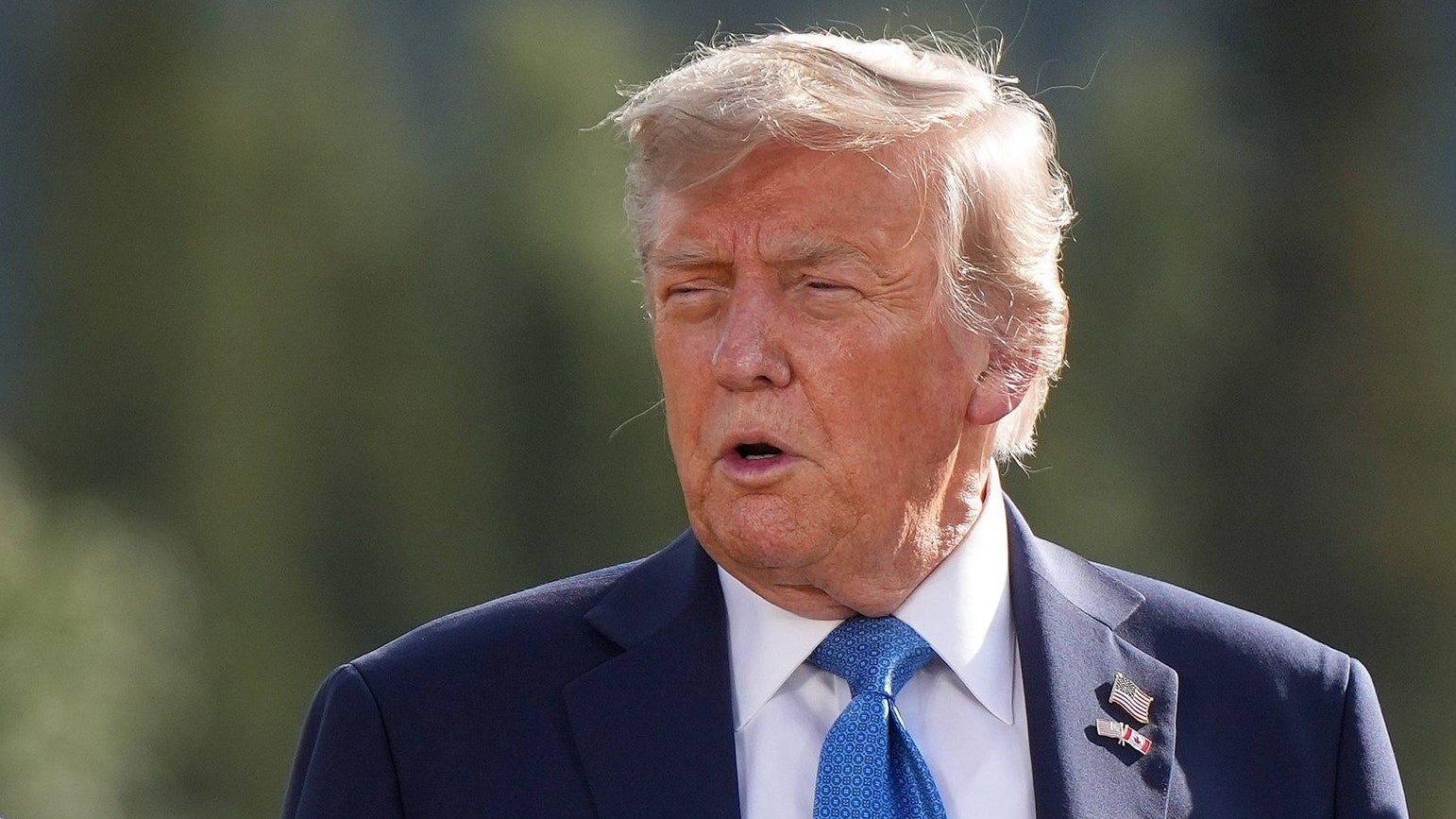
On Friday, the United States and Israel launched a massive joint military strike on Iran. The Israelis call it “Roaring Lion.” The Pentagon dubbed it “Operation Epic Fury.” But whatever you call it, it’s wildly illegal. It’s also a symptom of the ongoing Article I crisis, where Congress has abandoned the field to Trump rather than do its job under the Constitution.
“Bombs will be dropping everywhere. When we are finished, take over your government. It will be yours to take,” Trump warned Iran’s citizens on social media, promising to decapitate the regime and bring down the government.
So far, he’s been half right. On Saturday, Iranian state media confirmed the death of Supreme Leader Ayatollah Ali Khamenei, the 86-year-old cleric who ruled Iran for 36 years. In that power vacuum, the ruling party formed a three-member transitional council to govern until the Assembly of Experts selects a new Supreme Leader.
Trump also promised American casualties, which he says “often happens in war.” He was right about that, too. At least three US service members have already been killed, and Iran continues to strike our bases in Iraq and the Persian Gulf.
As of this writing, the White House has presented no public legal justification for the attack, and according to multiple sources, Secretary of State Marco Rubio didn’t provide one to members of Congress either.
The Constitution Gives Congress the Power to Start Wars
Article I, Section 8 of the Constitution gives Congress the power to declare War. The Framers intended to vest the grave decision to initiate hostilities in Congress alone. As James Madison wrote in 1793, “In no part of the constitution is more wisdom to be found, than in the clause which confides the question of war or peace to the legislature, and not to the executive.”
