



Sometimes, the wheels of justice turn slowly. Sometimes they move at warp speed. This is one of the latter, thanks to the Justice Department’s shenanigans.
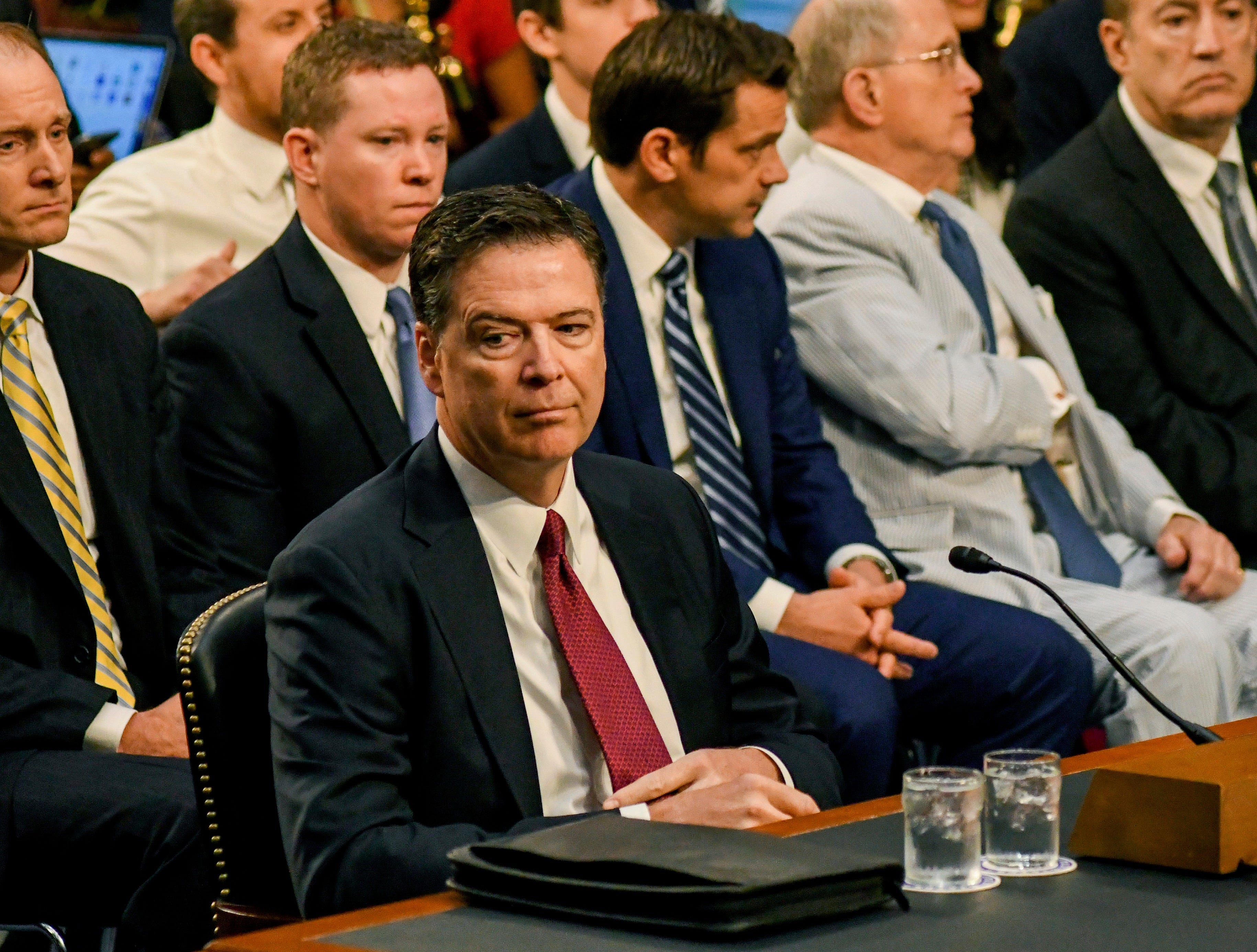
On Saturday evening, Judge Colleen Kollar-Kotelly effectively sealed the evidence in the government’s case against former FBI director James Comey. The ruling came in a suit filed by Daniel Richman, Comey’s friend and sometimes lawyer, who demanded the return of files seized from him in 2019 and 2020 as part of the “Arctic Haze” investigation into the leak of national defense information. The government closed that investigation without charge and should have destroyed or sealed the evidence years go. Instead it simply pulled it out of storage and dove back in when Trump demanded that someone indict Comey. The DOJ never even sought a new warrant, using material seized from Richman five years ago to secure the now-dismissed Comey indictment.
The legality of that search was hotly contested this year, with Magistrate Judge William Fitzpatrick assigned to adjudicate Comey’s demand for discovery into the potential illegal search and exclusion of the Richman evidence. The case was dismissed before the motion was adjudicated, leaving the government free to keep looking at the documents without having to justify the search.
For the time being, that’s on hold, thanks to Judge Kollar-Kotelly’s order. The court also prodded the Justice Department to quit playing games and enter an appearance in Richman’s lawsuit, citing the DOJ’s intransigence as the primary reason for granting Richman ex parte relief.
Rule 41(g) Motion
Two days after Judge Cameron Currie dismissed Comey’s indictment because Lindsey Halligan isn’t a real US Attorney, Richman filed a Rule 41(g) request for the return of the evidence seized from him back in 2019. He also asked for injunctive relief barring the government from “searching, relying on, or reviewing” his files pending resolution of his claims.
After a week ticked by with no response from the Justice Department, Richman’s counsel emailed Jocelyn Ballantine, Deputy Chief of the National Security section at the US Attorney’s Office in DC. He asked if the government would agree not to paw through Richman’s records while the motion was being adjudicated, obviating the need for a temporary restraining order.
Ballantine promised to reach out to her superiors at Main Justice and respond by the close of business on Thursday, but Thursday came and went with no word. At 9pm, Richman’s lawyers pinged her again, and Ballantine replied that she’d get back to him “early next week.”
To be fair to Ballantine, she was pretty busy on Thursday with the criminal complaint against the DNC/RNC pipe bomb suspect Brian Cole, Jr. But, intentionally or not, the delay had the effect of allowing the DOJ extra time to trawl through Richman’s files. And the DOJ’s failed effort to re-indict New York Attorney General Letitia James — also on Thursday! — made it clear that the Trump administration is hell bent on carrying out the president’s revenge edict, despite Lindsey Halligan’s disqualification.
“Absent a TRO, the government may continue to use the property in a manner that violates Professor Richman’s rights—particularly in light of recent news reports that the DOJ may seek a new indictment of Mr. Comey,” his lawyers wrote in the application for emergency relief filed Friday.
By Saturday evening, their request was granted.
Knock it off and show up
In a brief, four-page order, Judge Kollar-Kotelly held that Richman is likely to succeed on the merits of his Rule 41(g) claim for return of property.
“The Court concludes that Petitioner Richman is likely to succeed on the merits of his claim that the Government has violated his Fourth Amendment right against unreasonable searches and seizures by retaining a complete copy of all files on his personal computer (an ‘image’ of the computer) and searching that image without a warrant,” she wrote.
Ordinarily, a court allows the party opposing a motion to respond before entering relief. But here Judge Kollar-Kotelly pointedly dinged the DOJ for refusing to participate in the case in an official capacity.
Eleven days after the suit was filed, no one from the Justice Department has bothered to enter an appearance. This is particularly egregious since the US Attorney’s Office has been in contact with the judge’s chambers and Ballantine participated in that multi-day colloquy with Richman’s counsel. The government can hardly claim that it’s been caught unaware!
This wheeze allowed investigators to keep accessing the disputed files, while avoiding questions about their location and custody — which is mighty convenient, in light of news reports that the government intends to re-indict Comey imminently.
“Given that the custody and control of this material is the central issue in this matter, uncertainty about its whereabouts weighs in favor of acting promptly to preserve the status quo,” the judge wrote, adding that “counsel for the Government may move to dissolve or modify this Order immediately upon entering an appearance, and the Court will resolve any such motion as promptly as justice requires.”
The government will remain locked out of the files through at least Friday. The court also ordered the DOJ to enter an appearance and respond to Richman’s motion by 9am Tuesday.
Now to find some assistant US Attorney in DC willing to put their name on this cursed shitpile and explain the everything that went down here is very cool and very legal …
Does any of this actually mean anything? The govt could have made a hundred copies of the data by now. Since the administration is pretty much ignoring the judiciary .. court cases and the outcome thereof are kinda meaningless no?
Just letting you know, after listening to Ep 187, unsubscribed, there were issues with the ads! I intend to subscribe and skip them in the future, but figured I'd let you know in the meantime.